MEASUREMENT AND TOOLS
spECULATIVE DESIGN / research / web design
created with p5.js, HTML, CSS
Luckily, we have handy tools to measure the length, to add up numbers, to count down minutes and seconds.
What if we need to visualize and quantify situations like “How bad it is?”, “How long does it take?”, and “How sincere is this person?”
In this project, I want to bring up the possibility of measurement been personalized, desynchronized, and utilized to the abstract and conceptual use.
Background
When we are not sure about our abilities in accuracy or objectivity, we turn to measuring tools for help. We seek their help to make decisions, to convey and describe an object, and to make sure that we are under the same criteria as the world. Measuring tools could be physical instruments such as rulers, scales, timers, and protractors. In nowadays, I believe that measuring tools could also be an algorithm that analyzes data such as public relationships, potential profits, and election campaign prediction. These measuring tools give out numbers which have credibility and we move on to the next step regarding the result.
Luckily, we have handy tools to measure the length, to add up numbers, to count down minutes and seconds;
What if we need to visualize and quantify situations like “How bad it is?”, “How long does it take?”, and “How sincere is this person?”
In this project, I want to bring up the possibility of measurement been personalized, desynchronized, and utilized to the abstract and conceptual use. If each individuals lives at their own pace and is guided by their own beliefs, there should be measurement and tools other than the International System of Units.
Design Statement
I designed two speculative products, which are a calculator and a timer to assist users in understanding, analyzing, and redefining measurement.
I worked under the discipline of Manifesto by Dunne and Raby and create a speculative project. To be more specific, the products were designed for a parallel world, where the technology and human behavior were the same as current world.
Design CHALLENGES
Intuitive user behavior
These products should be built on existed object affordance so that users can recognize their functions without additional instructions.
A social fiction but not a science fiction
Design for the parallel world but not the future world. The backdrop of these products should be under the criteria of current lifestyle and technology.
Coherent aesthetic
The look and feel of these digital and physical products should be connected with an icon or a color scheme.
How does object related to time?
The original reason why human needs objects were for survival and comfort. However, the human is not good at control their mind rationally, and they tend to add value and potentialities to objects base on their experiences and preferences. In the article Why We Need Things, Mihaly Csikszentmihalyi stated that objects embody the values and tastes as well as the accomplishments of the owner (Csikszentmihalyi, par 19). Objects are no longer defined only by their forms and functions; they are the next incarnation of their previous ones. That is why human need so many objects with same functions but with a different appearance.
In this essay, the author categorized human owned artifacts in three purposes: to demonstrate the place social hierarchy; to provide the connection between past, present, and future; to give concrete evidence of relationships.
Although the examples in the essay contains a lot of old stereotype in terms of sex, age, and region, which do not apply in present value at all, I agree a lot with his explanation of “by providing foci of involvement of the present, mementos and souvenirs of the past, and signposts to future goals.” I feel that object is such a strong representation of time. In some cases, it got old as the time goes by, but most of the time it stays the way it was.
Destabilize the criteria of the world’s standard
Artists Taeyoon Choi and E Roon Kang define this approach as an attempt to live unreal time in real-time world(Choi and Kang par.1). Lee stated that we are living in an synchronized world where data, finance, day-to-day services are operated under the idea of a fixed medium rather than a dynamic contributing factor. One of the product, The Timer: Object Consumption As Countdown, I encourage users to replace the global measurement of time like the “Absolute Time” by Issac Newton with their own-defined measurements. If we see an individual as an operating world, his habits, beliefs, interests, and rituals could be seen as the global synchronization that leads and arrange his day.
Choi and Kang believe that “desynchronization does not necessarily mean isolation. Rather, we are also interested in investigating how time is communally negotiated, and how to give this communion form”(par. 5). When we think in this mindset and list out all out time-measuring props, we might likely to find the same objects and standard that we share with other people.
A proposal of personalized industrial design
In A Manifesto for Postindustrial Design by Jamer Hunt, author suggests that new processes of design are more biological than mechanical (Hunt, par.5). One of the feature of postindustrial design is Decentralized. “Distributing the power to create is a plan that nature has used with spectacular success.”
THE TIMER : Object Consumption As Countdown
The sense of time differs from person to person, and it sometimes connects with the consumption of an object or the duration of an action.
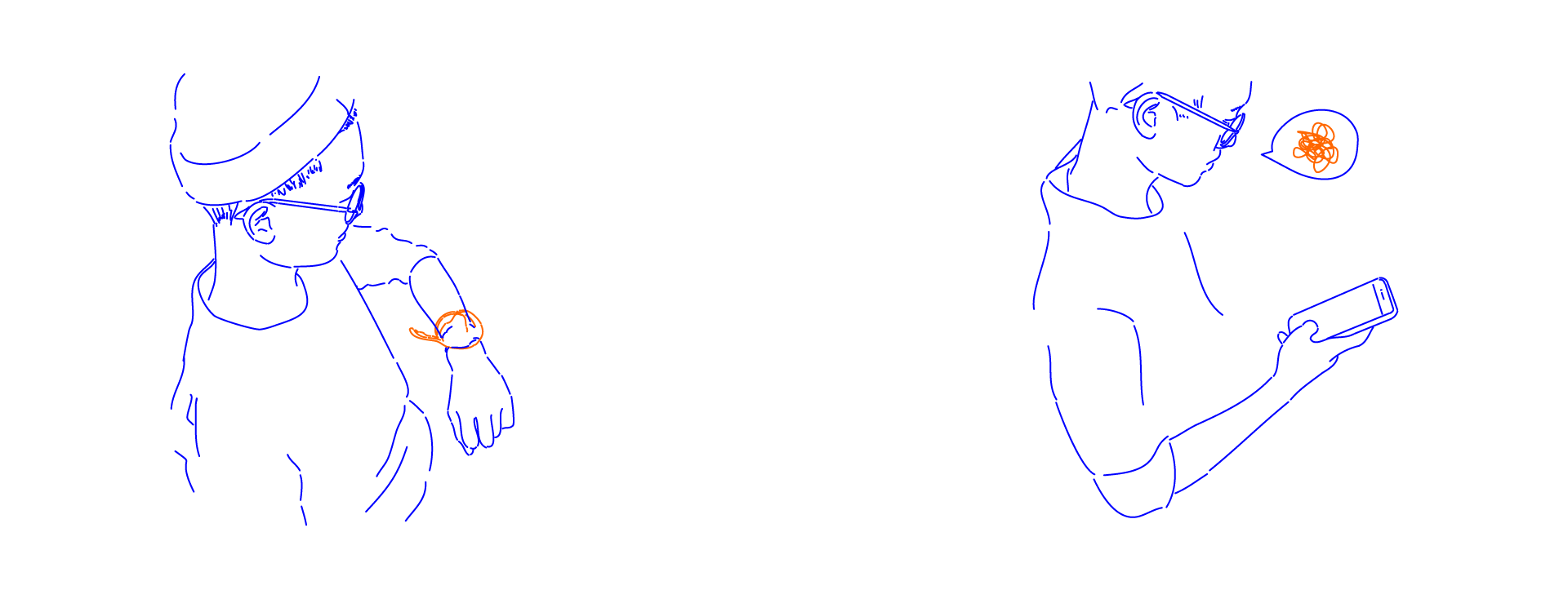
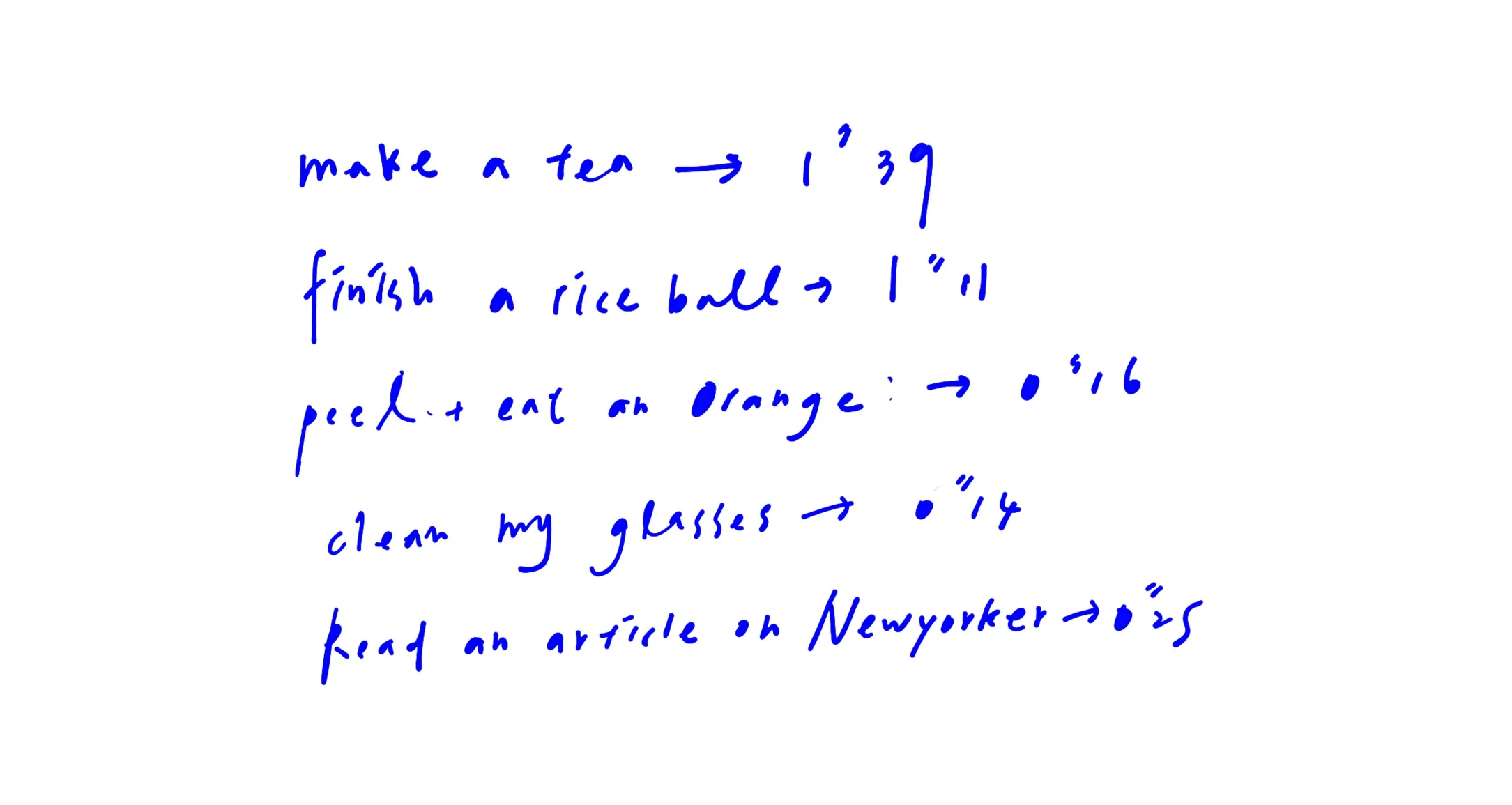
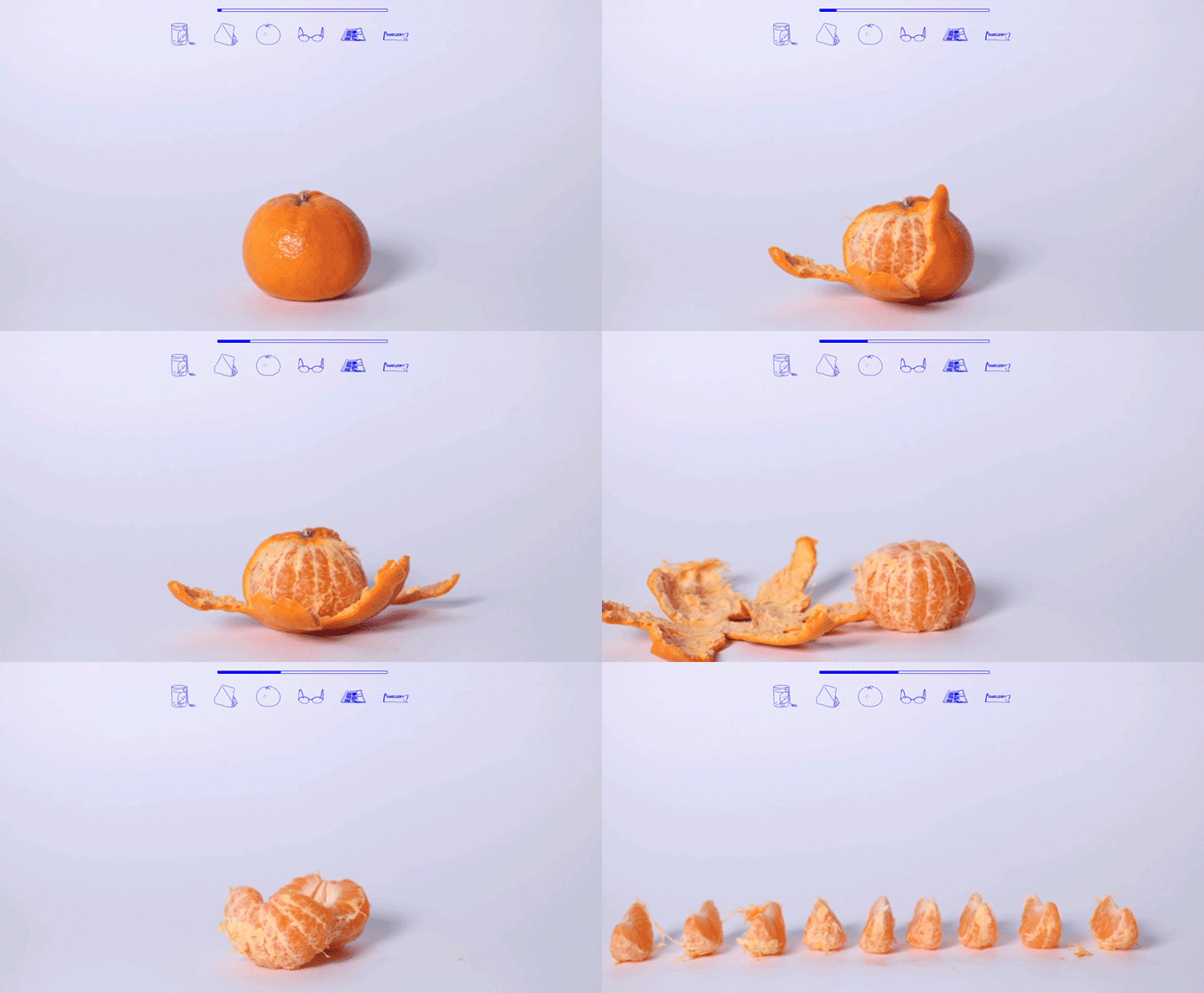
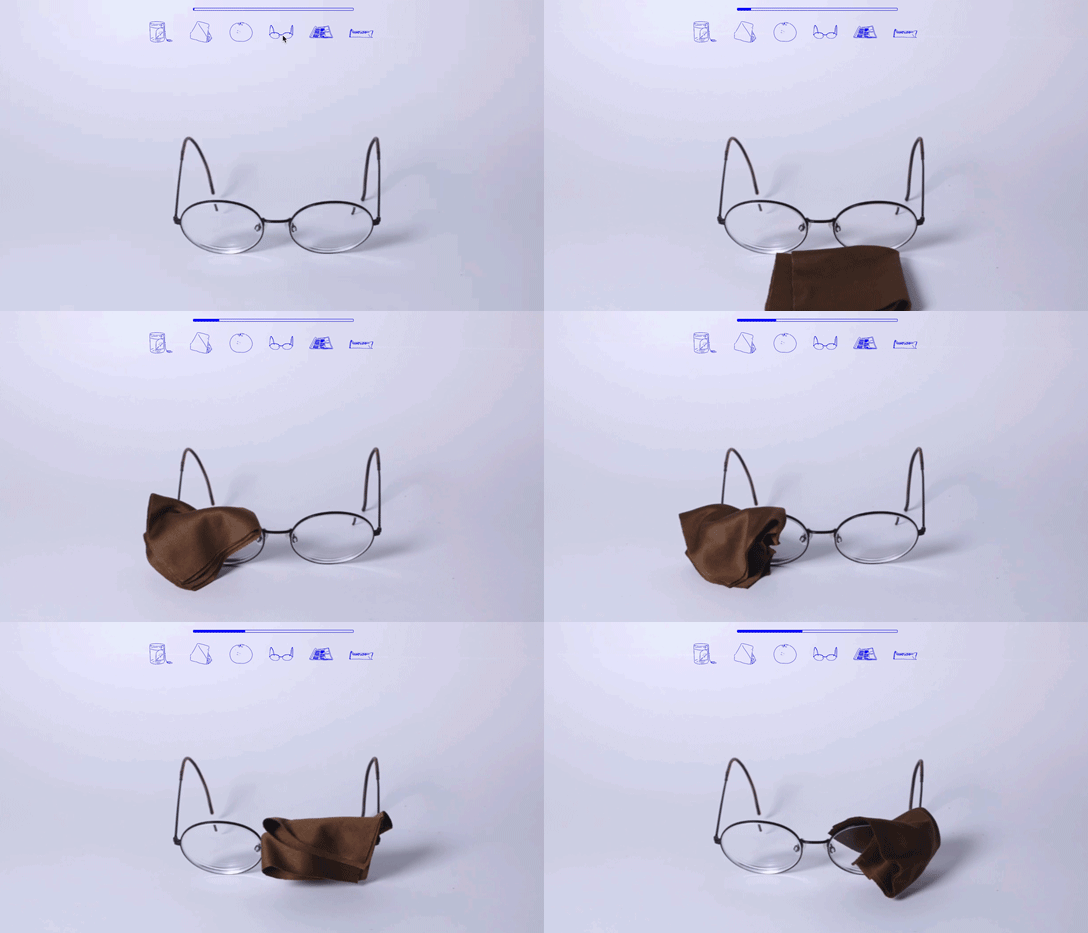
I no longer measure time with minutes or seconds; instead, I replace the measurement with “the time I need to peel an orange” or “the time I need to clean up my glasses.”
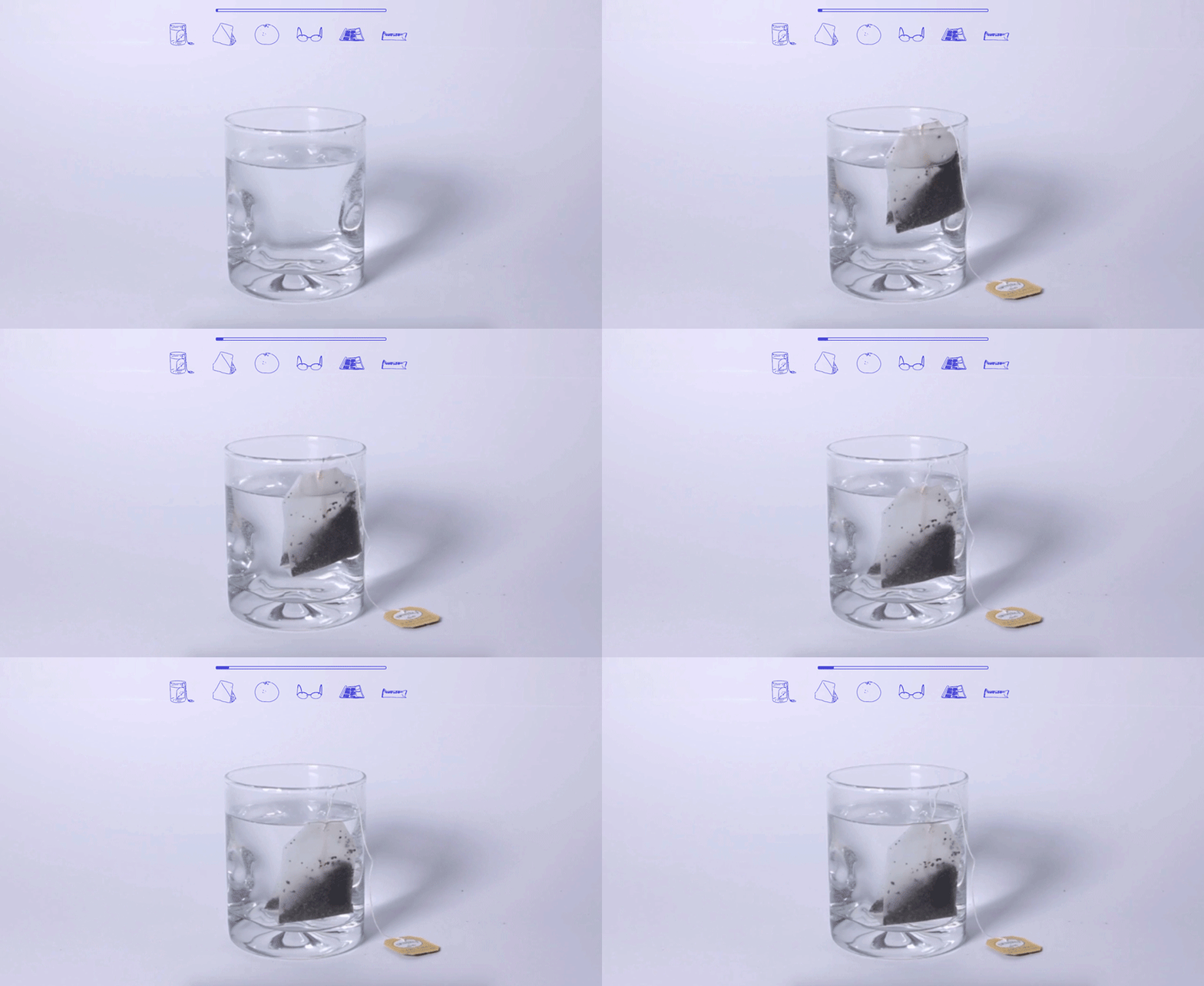
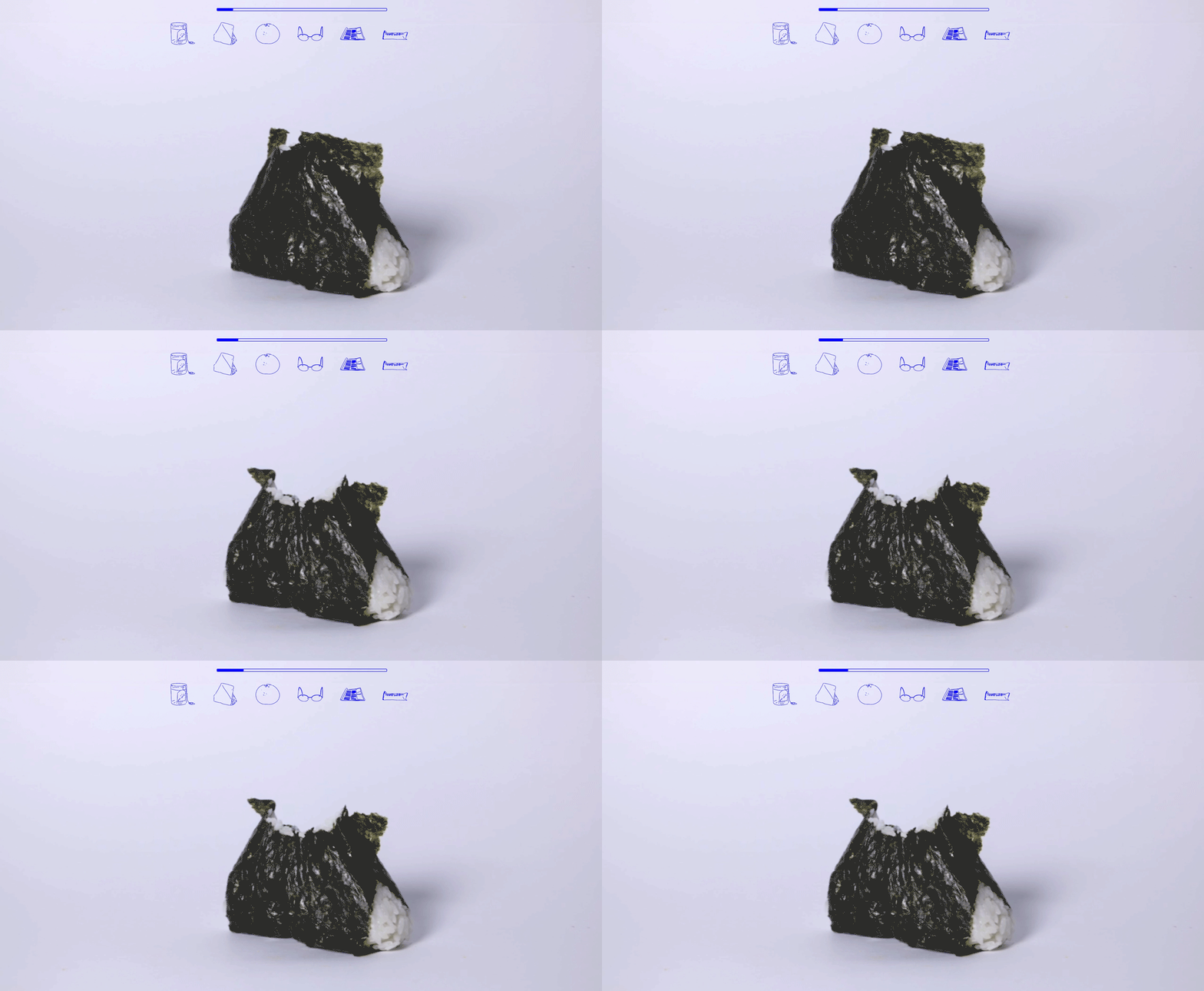
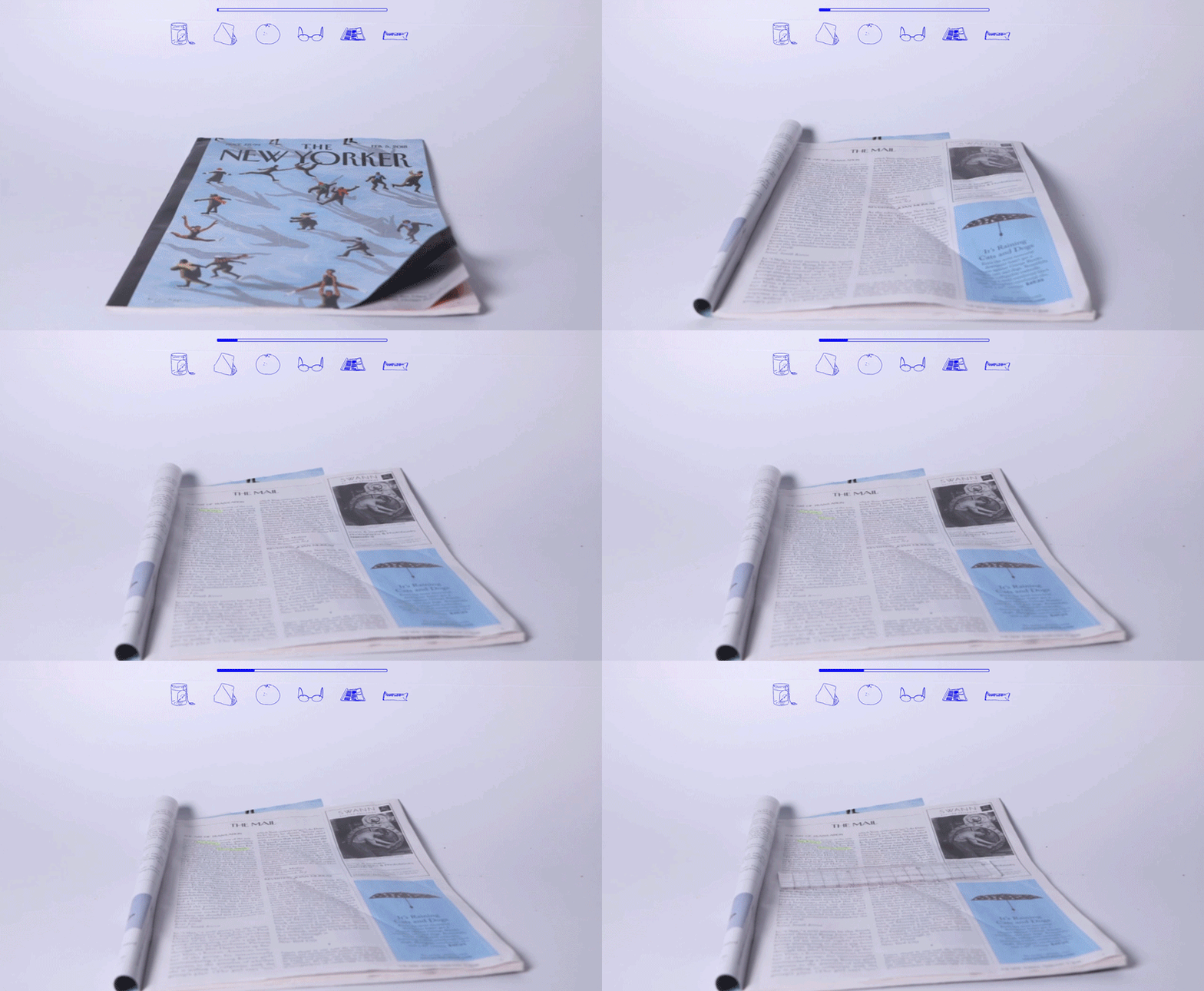
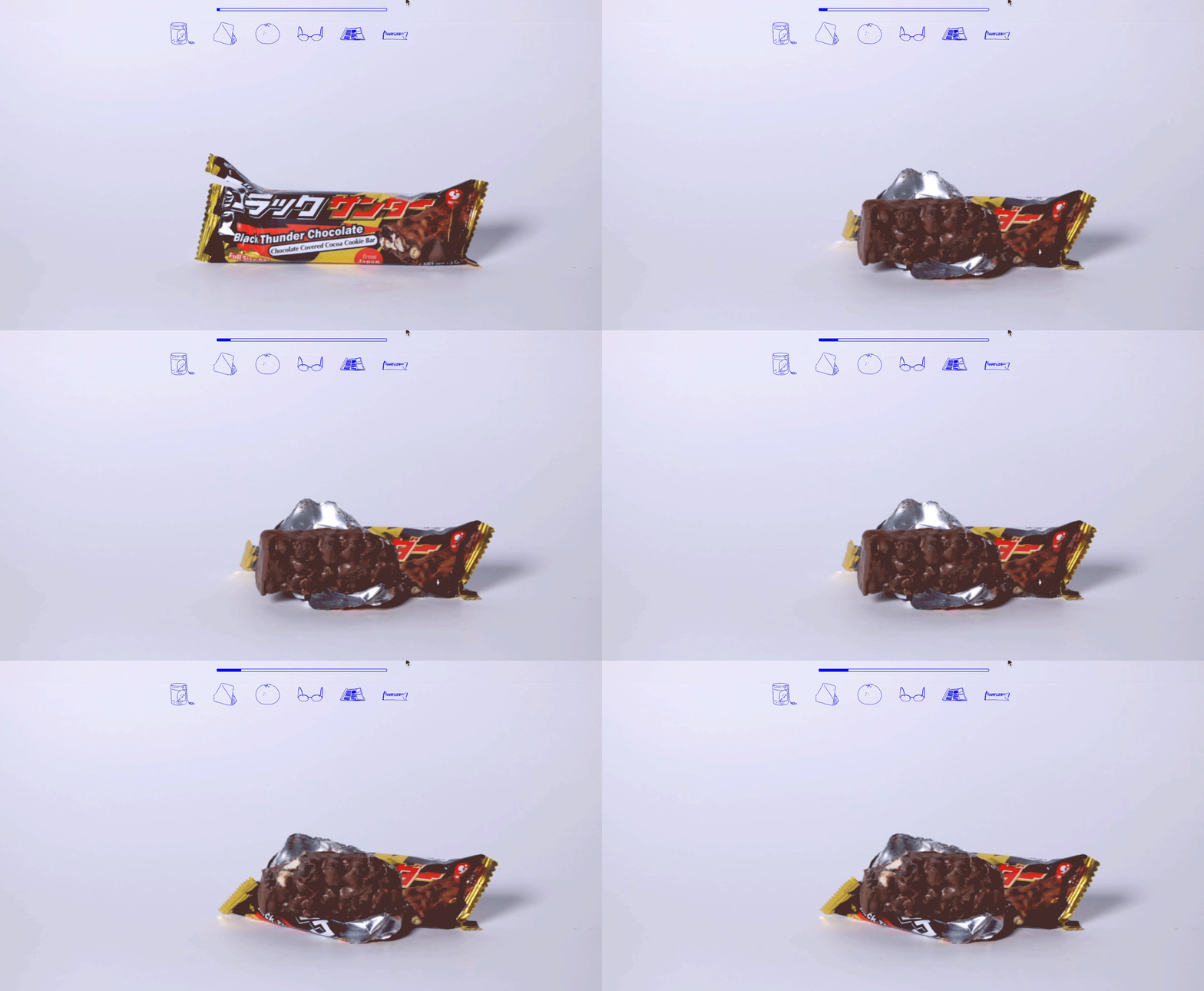
This is a personalized timer without numbers and pointers. I selected six objects which included in my daily routine, a cup of tea, a rice ball, an orange, a chocolate bar, a pair of glasses, and a copy of New Yorker, to be my measurement of time.
I set a timer and perform each task in my most comfortable pace. I paid attention to details like how I used to fold my glasses, how I tear down the package of the chocolate bar, and how long does it take for me finish a rice ball. After that, I edited the images in Premiere and edit the length to the exact time I need to fulfill each task.
The Calculator : How Bad Is It?
We have a handy tool in our pocket to add up numbers, what if we really need to know “How bad is the situation?”
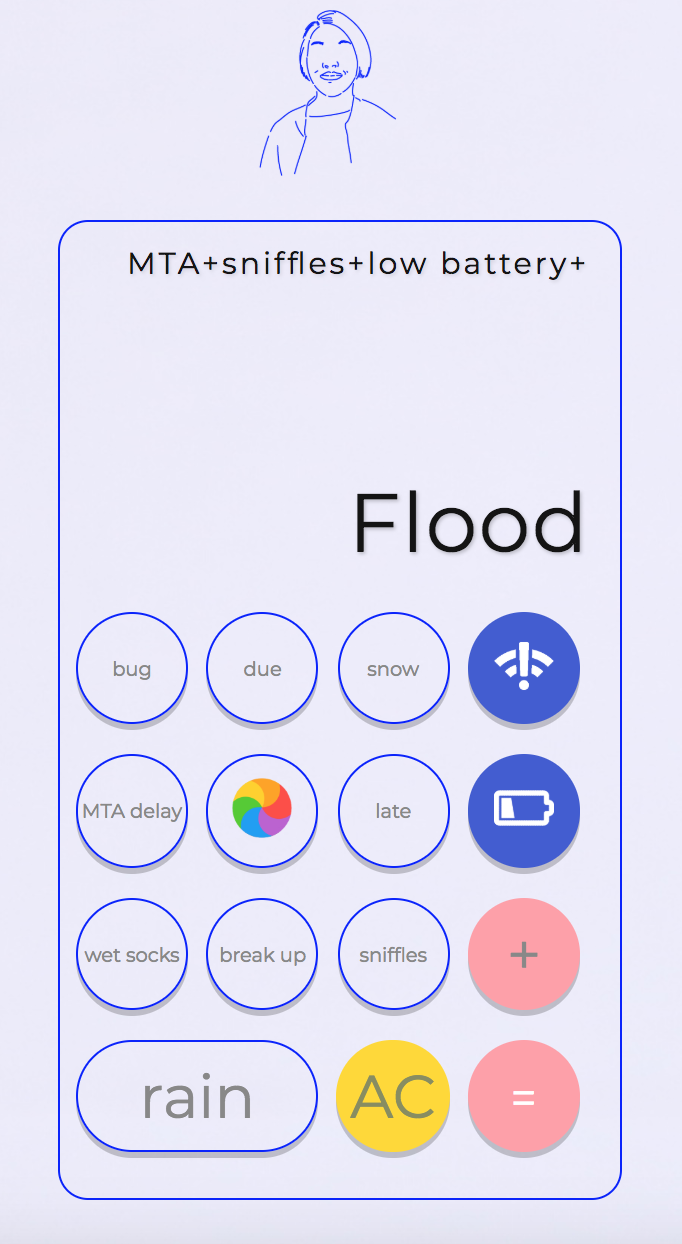
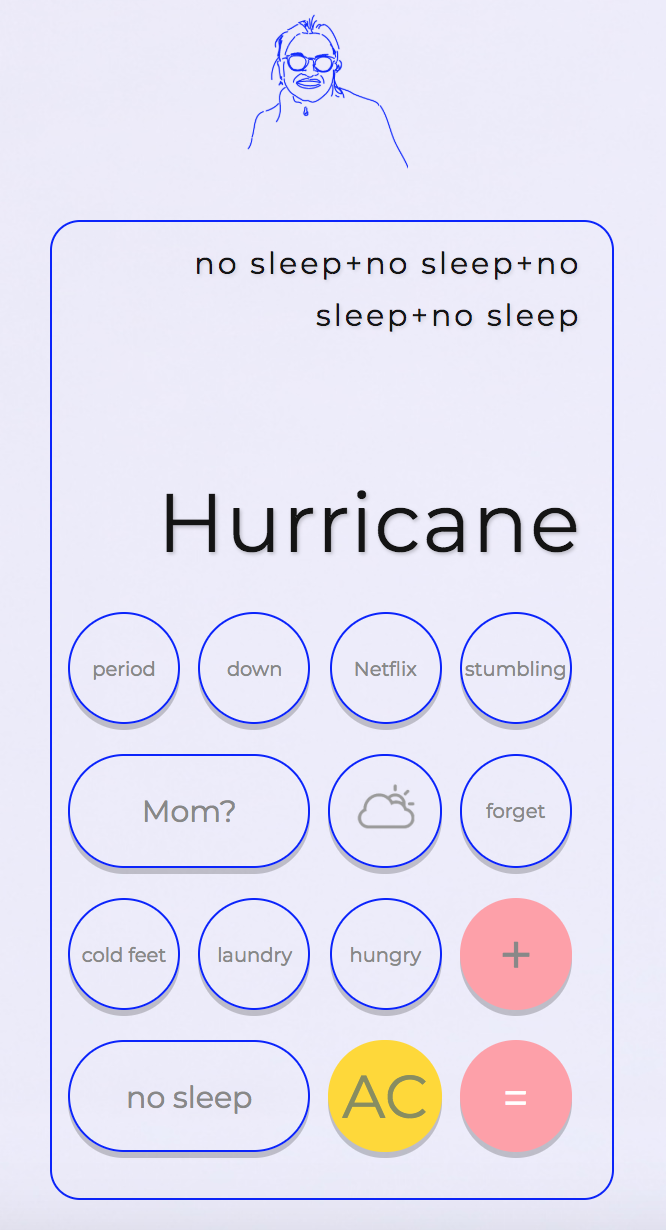
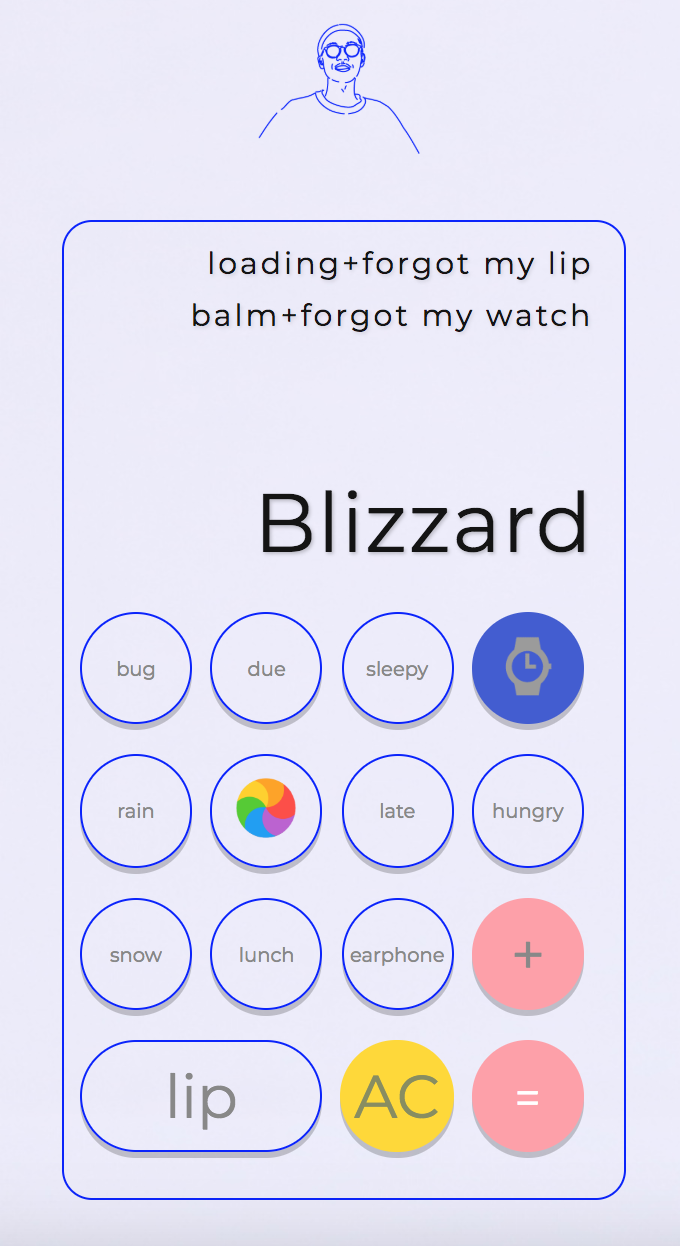
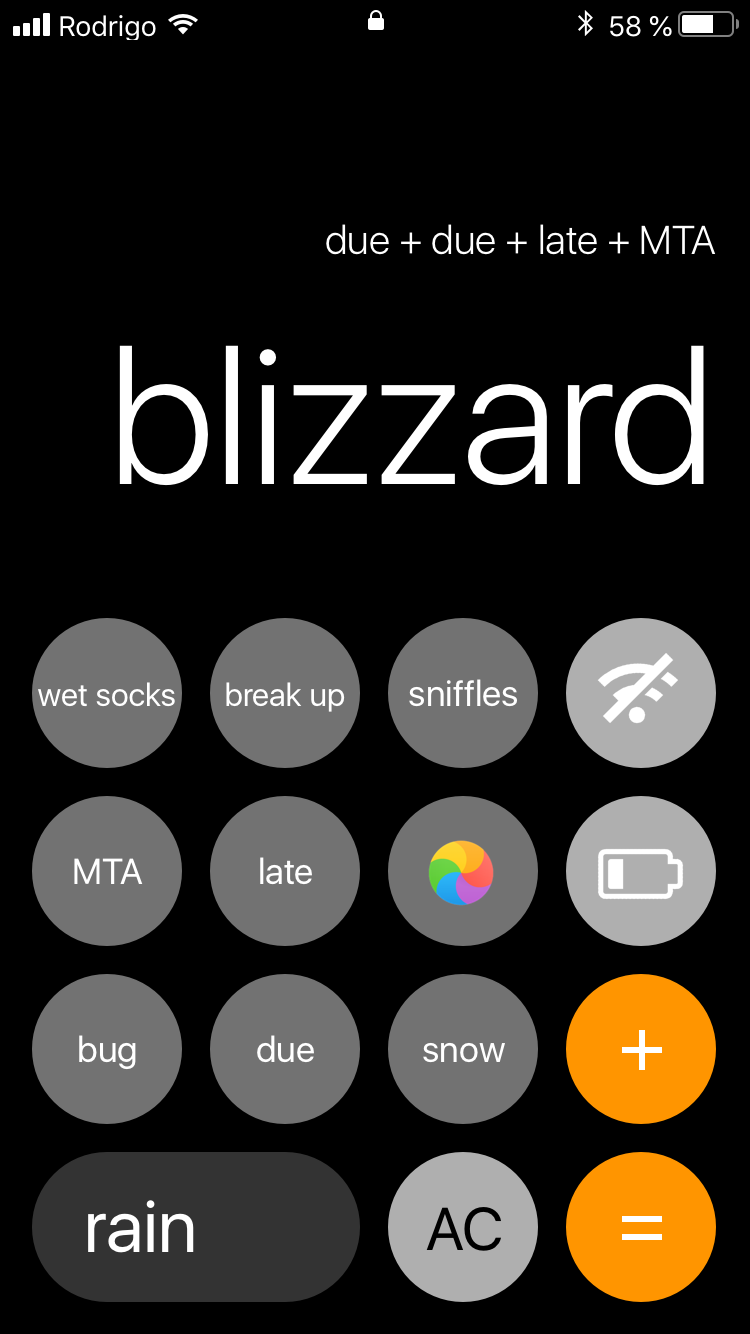
This is a personalized calculator, where I put down events that bother me a lot daily on the buttons and assigned different values to them regarding how much it would affect my mood. By adding up all the values, the calculator will return a result according to the sum. I use weather condition as a metaphor to describe the awfulness.
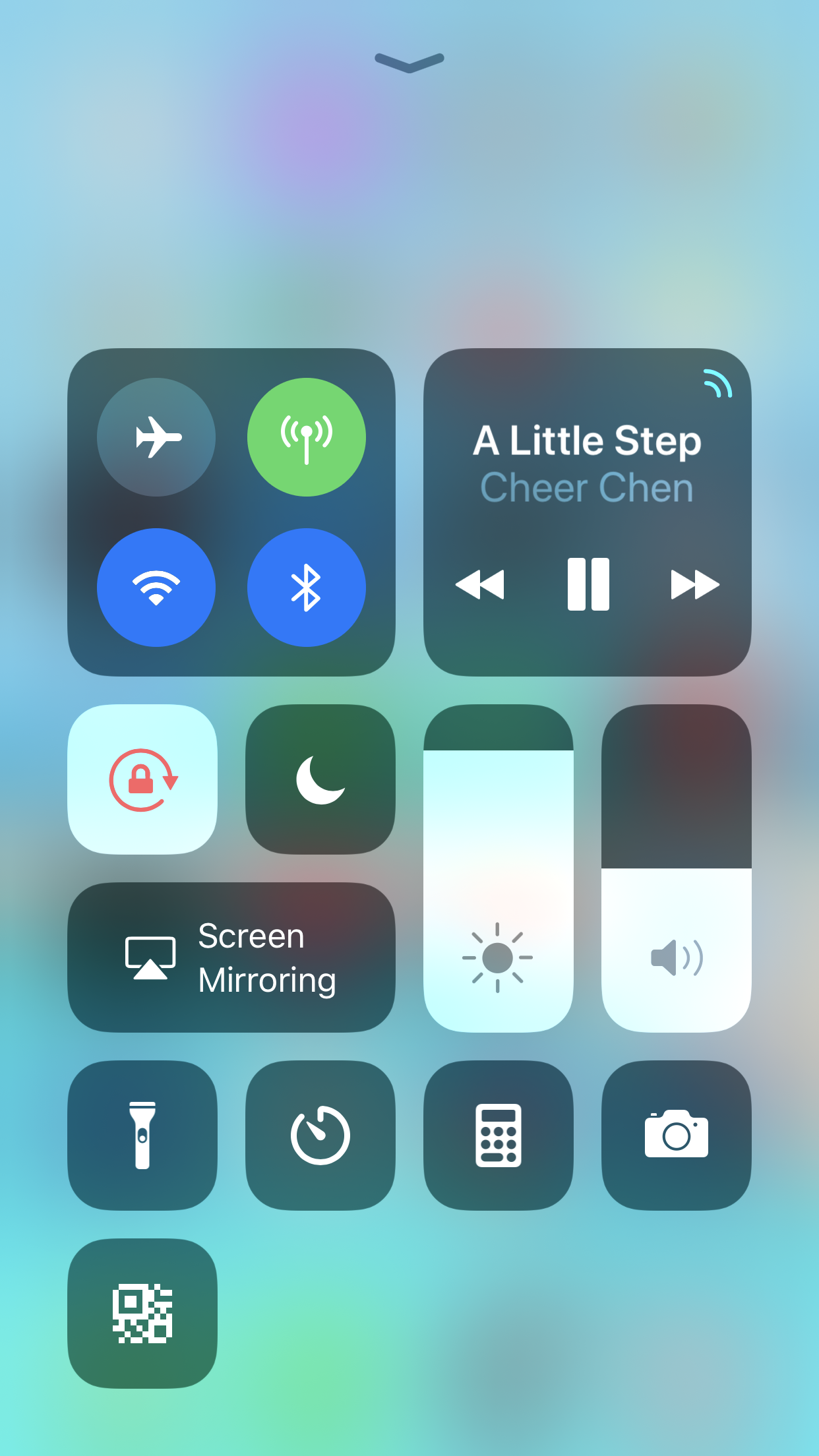
Before I decide to choose calculator as the tool to demonstrate the idea, I looked into the Control Center on iPhone. To access Control Center, simply swipe up from the button of the screen. Users can summon the feature from anywhere on their iPhones, even from the locked screen or any app screen. The app displayed in the Control Center are considered as the most frequently used “tools”. Users usually use them intuitively in an urgent case. From that, I picked the two tools that involve measurement: the Timer and the calculator.
First, I created my own version calculator adapting the IOS user interface design. I assigned a double value to the biggest button on the bottom and put the most frequently occurred events on the upper right, where the operators were placed, for they are closer to the thumb so that users can reach to them more easily.
After that, I invited four users to fill out their own version of calculator. Surprisingly, they took more Mme than I thought to fill out the buttons.